
Most bedtime struggles improve with a regular schedule, a short and predictable bedtime routine, and calm, consistent limits, especially when children understand why sleep matters. Naomi and the Secrets of Going to Sleep, for a reading age of 3 to 6, suits a child who has trouble going to bed and falling asleep, and it teaches the principles of a good bedtime routine through a story. Naomi Learns the Importance of Sleep suits a curious child who wants to know what sleep is and why we need it.
Why bedtime gets difficult and what helps
Trouble at bedtime is one of the most common concerns parents raise. Children stall, ask for one more story, one more drink, or one more hug, get out of bed, or lie awake for a long time. An occasional rough night is normal, particularly during illness, travel, or a period of change.
Sleep depends on two things: a body clock that likes regularity, and a need for sleep that builds up across the day. When bedtimes and wake times shift a lot, when the evening is full of screens and excitement, or when a nap comes too late in the day, the body is not ready for sleep at the hour parents expect.
From a cognitive behavioral therapy (CBT) point of view, habits around bedtime can also keep the problem going. If stalling and repeated requests lead to more time and attention, they tend to continue. If a child can only fall asleep with a parent lying beside them, they will often need the same help when they wake during the night. Giving in to keep the evening peaceful is understandable, but it strengthens the pattern.
What helps is consistency. Keep bedtime and wake time steady, follow the same few calm steps in the same order every evening, switch off screens in the lead-up to bed, and keep the bedroom dim and quiet. Agree on the limits ahead of time, such as two stories and then lights out, hold them calmly, and praise your child in the morning. Children cooperate more readily when they understand the reasons, and this is where a story can do a lot of the work.
Which book fits your child?
Naomi and the Secrets of Going to Sleep
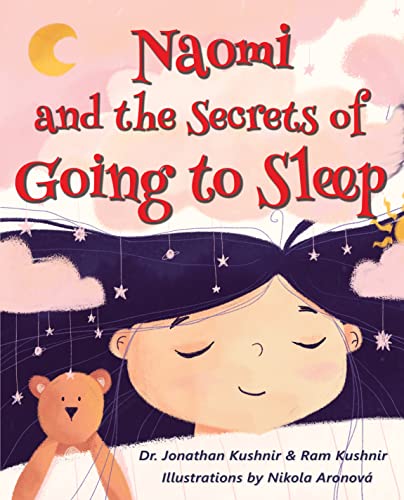
Naomi is a girl who has trouble going to bed and falling asleep. The book begins with the behaviors that make bedtime hard for her, and things change when her grandfather tells her the bedtime story of “The Secrets of Going to Sleep.” Through his story he passes on the principles of a good night’s sleep and an effective bedtime routine, which are based on years of research in the field of children’s sleep. The reading age is 3 to 6, and the book works as a bedtime story in its own right. See Naomi and the Secrets of Going to Sleep. Buy on Amazon.
Naomi Learns the Importance of Sleep

Here Naomi is a curious child who wants to know more about sleep. At bedtime her parents explain what sleep is, the benefits of a good night’s sleep, and the consequences of not sleeping well. The explanations are embedded in the story, which makes it easier for parents to start a conversation about sleep. It suits children who keep asking why they have to go to bed. See Naomi Learns the Importance of Sleep. Buy on Amazon.
If bedtime is hard mainly because your child is frightened at night, a book about nighttime fears or nightmares is likely to be a better match than a book about sleep habits.
How to use a book like this
- Make it part of the routine. Unlike books about fears, these stories fit well at bedtime itself.
- Build your own routine together. After reading, list or draw the steps of your family’s bedtime with your child and hang the list where they can see it.
- Change one thing at a time. Choose a single habit to work on and keep it up consistently before adding another.
- Refer back to the story. When limits are tested, a reminder of what Naomi learned is often easier to accept than a new argument.
- Notice success in the morning. Specific praise for staying in bed or following the routine helps the new habit last.
When to seek professional help
Speak with your pediatrician if your child snores loudly or seems to pause in breathing during sleep, is very sleepy or irritable during the day, or still takes a long time to fall asleep on most nights after several weeks of a consistent routine. A child psychologist can help when sleep problems come with strong fears or anxiety. Dr. Kushnir’s books are educational and are not a replacement for professional assessment or treatment.
A note for tired parents: children’s sleep problems often leave adults short of sleep, and some parents struggle with insomnia of their own. Sleep for the Sleepless is Dr. Kushnir’s book for adults. It explains how sleep works and how cognitive behavioral therapy for insomnia (CBT-I) is used to rebuild it.
Dr. Kushnir also works with families online: help with children’s sleep problems.
Frequently asked questions
How do I get my child to go to bed without a fight?
Keep bedtime at the same time every night and follow a short routine with the same calm steps in the same order. Agree on the limits ahead of time, such as how many stories, hold them calmly, and praise your child in the morning for following the routine.
What is a good bedtime routine for a child?
A good routine is short, calm, and predictable, for example a bath, pajamas, brushing teeth, a story, and lights out. Screens are best switched off in the lead-up to bed. Doing the same steps in the same order each night helps the body and mind get ready for sleep.
How do I explain to my child why sleep is important?
Use simple, concrete ideas: sleep helps the body grow, gives energy to play, and helps us learn and feel good the next day. A picture book that builds the explanation into a story can make the conversation easier and more fun.
Why does my child keep getting out of bed?
Often it is because leaving the bed brings extra time, attention, or one more request granted. Walk your child back calmly and briefly every time, keep the response the same, and praise them in the morning for staying in bed. If fear seems to be the reason, address the fear with gradual steps.
More guides for parents
- Books for Children With Nighttime Fears: A Parent's Guide
- Books About Nightmares and Dreams for Kids
- Books for Children With Separation Anxiety
- Anger Management Books for Kids and Parents
- Books for Anxious Children: Which One Fits Your Child?
By Dr. Jonathan Kushnir, clinical psychologist. This guide is educational and does not replace professional advice.




0 Comments