
Occasional nightmares are a normal part of childhood, and most children settle with brief, calm comfort at night, a steady bedtime routine, and a chance to talk about the dream during the day. Naomi Says Goodbye to Nightmares is the better fit for a child whose nightmares keep coming back and disturb sleep. Naomi and the Secret of Dreaming suits a curious child who wonders what dreams are, or who is sometimes scared of bad dreams and feels calmer once dreams are explained.
What nightmares are and why some keep coming back
A nightmare is a frightening dream that wakes a child up. The child is usually fully awake afterwards, remembers the dream, and looks for comfort. Occasional nightmares are a normal occurrence, and children typically begin to have nightmares and bad dreams at about three and a half years of age. Bad dreams tend to show up more often when a child is overtired, going through a change or a stressful period, or has seen something frightening.
Nightmares are different from night terrors. In a night terror a child may scream or look terrified but is not really awake, is hard to comfort, and usually does not remember the episode in the morning.
From a cognitive behavioral therapy (CBT) point of view, the dream itself is only part of the picture. What often keeps the difficulty going is what happens around it. A child who is afraid of dreaming may start to dread bedtime, resist going to sleep, or insist on sleeping next to a parent every night. Long conversations about the dream in the middle of the night keep everyone awake and can make the dream feel more important and more dangerous than it is. These reactions are natural, but together they can teach a child that sleep is something to fear.
What helps is simple and steady. At night, offer short, calm comfort, remind your child that it was a dream, and help them settle back in their own bed. Keep a regular, relaxing bedtime routine and make sure your child gets enough sleep. During the day, when your child feels safe, invite them to tell or draw the dream. A method often used in CBT for recurring nightmares is to have the child invent a new, less frightening ending and practice the new version while awake. Understanding what dreams are can also take away some of their power.
Which book fits your child?
Naomi Says Goodbye to Nightmares
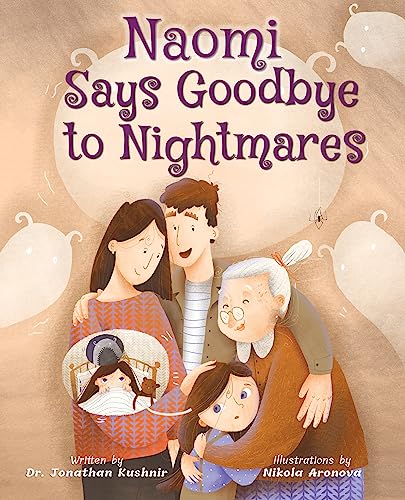
Naomi is a girl who suffers from recurring nightmares and has trouble sleeping because of them. Her story is meant to help children and parents understand simple principles for dealing with nightmares in a fun and engaging way, so that children are willing to try them. The methods are based on years of work in the field of children’s sleep. Choose this book if bad dreams are frequent, upsetting, or have begun to affect bedtime. See Naomi Says Goodbye to Nightmares. Buy on Amazon.
Naomi and the Secret of Dreaming

In this book Naomi and her wise grandfather set out to uncover the secret of dreaming. Children learn why we have dreams and nightmares, what dreaming is for, why we forget our dreams, how we can remember them better, and how dreaming appears in the animal kingdom. Choose it for a child who asks a lot of questions about dreams, or who is sometimes scared of bad dreams and would feel safer understanding them. See Naomi and the Secret of Dreaming. Buy on Amazon.
The two books also work well as a pair. One explains what dreams are, and the other focuses on coping with the frightening ones.
How to use a book like this
- Pick a calm moment. Read the book during the day or early in the evening, not right after a nightmare.
- Let the story open the conversation. Ask whether your child has ever had a dream like Naomi’s, and invite them to tell it or draw it.
- Practice while awake. Try the ideas from the book together in the daytime, and repeat them over several days so they become familiar.
- Keep the night response short. Comfort your child, say that the dream is over, and save the longer talk for the morning.
- Read it more than once. Children absorb new ideas through repetition, and a familiar story is reassuring in its own right.
When to seek professional help
Talk to your pediatrician or a child psychologist if nightmares happen very often, continue for weeks, follow a frightening or traumatic event, or leave your child afraid to go to sleep or distressed during the day. Medical advice is also sensible if sleep is disturbed by loud snoring, pauses in breathing, or repeated episodes of screaming or walking around that your child does not remember. Dr. Kushnir’s books are educational and do not replace professional assessment or treatment.
Dr. Kushnir also works with families online: help with nightmares.
Frequently asked questions
At what age do children start having nightmares?
Nightmares and bad dreams typically begin at about three and a half years of age. Occasional nightmares are a normal part of childhood and usually need nothing more than calm comfort.
What is the difference between a nightmare and a night terror?
After a nightmare a child wakes up, remembers the dream, and wants comfort. During a night terror a child may scream or look frightened but is not fully awake, is hard to comfort, and usually has no memory of it in the morning.
What should I do when my child wakes up from a nightmare?
Go to your child, offer brief and calm comfort, and remind them that it was a dream and that they are safe. Help them settle back to sleep in their own bed, and keep longer conversations about the dream for the daytime.
Why does my child keep having nightmares?
Recurring nightmares are more likely when a child is overtired, under stress, going through a change, or has seen something frightening, and sometimes there is no clear cause. A steady routine, enough sleep, and daytime practice with coping ideas can help. If the nightmares are frequent or follow a traumatic event, ask a professional for advice.
More guides for parents
- Books for Children With Nighttime Fears: A Parent's Guide
- Books for Children With Separation Anxiety
- Anger Management Books for Kids and Parents
- Books for Anxious Children: Which One Fits Your Child?
- Books About Sleep for Kids: Bedtime and Why We Sleep
By Dr. Jonathan Kushnir, clinical psychologist. This guide is educational and does not replace professional advice.




0 Comments